Education and Outreach
SBC LTER Schoolyard Program
Curriculum Development: The SBC LTER Schoolyard program promotes integrating coastal watershed and marine science topics into classroom teaching through the development of standards-based curriculum, particularly for grades 6-8. We work with teachers and partners including the Channel Islands National Marine Sanctuary and the South Coast Watershed Resource Center. Summer stipends are often available for teachers to develop new modules that focus on watershed and marine topics. Teachers interested in working with the Schoolyard program to develop lesson plans should contact us at outreach@msi.ucsb.edu.
Arroyo Burro Virtual Tour: One of our recent projects is a five week curriculum with a focus on the Arroyo Burro Watershed, which includes a computer-based module on the area's natural history and interactive s imulations of runoff conditions. The entire program is available on DVD, by request. Lesson plans also are available for individual download at our Resource page.
Field Experiences and Trips: Our Schoolyard program offers two exciting field trip experiences for students The REEF and the Channel Islands National Marine Sanctuary LiMPETS program.
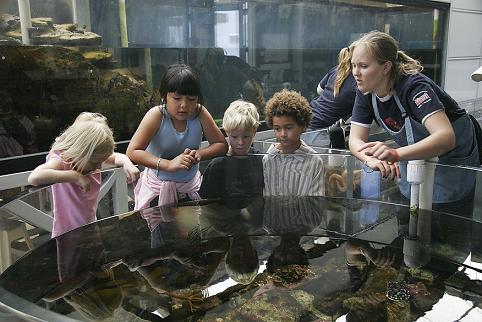
The REEF (Research Experience and Education Facility) is an interactive, educational aquarium managed by the Marine Science Institute (MSI) located at Campus Point Beach on the UCSB campus. The REEF offers aquarium tours led by our UCSB undergraduate docents and include our popular "touch tanks" program. Tours can include nature walks around the Campus Lagoon and the beach. Tours are offered 3 times a day, Tuesday through Thursday. There is no fee to visit The REEF. To book a tour for your class or group, please contact The REEF directly at 893-8765 or by email at outreach@msi.ucsb.edu.
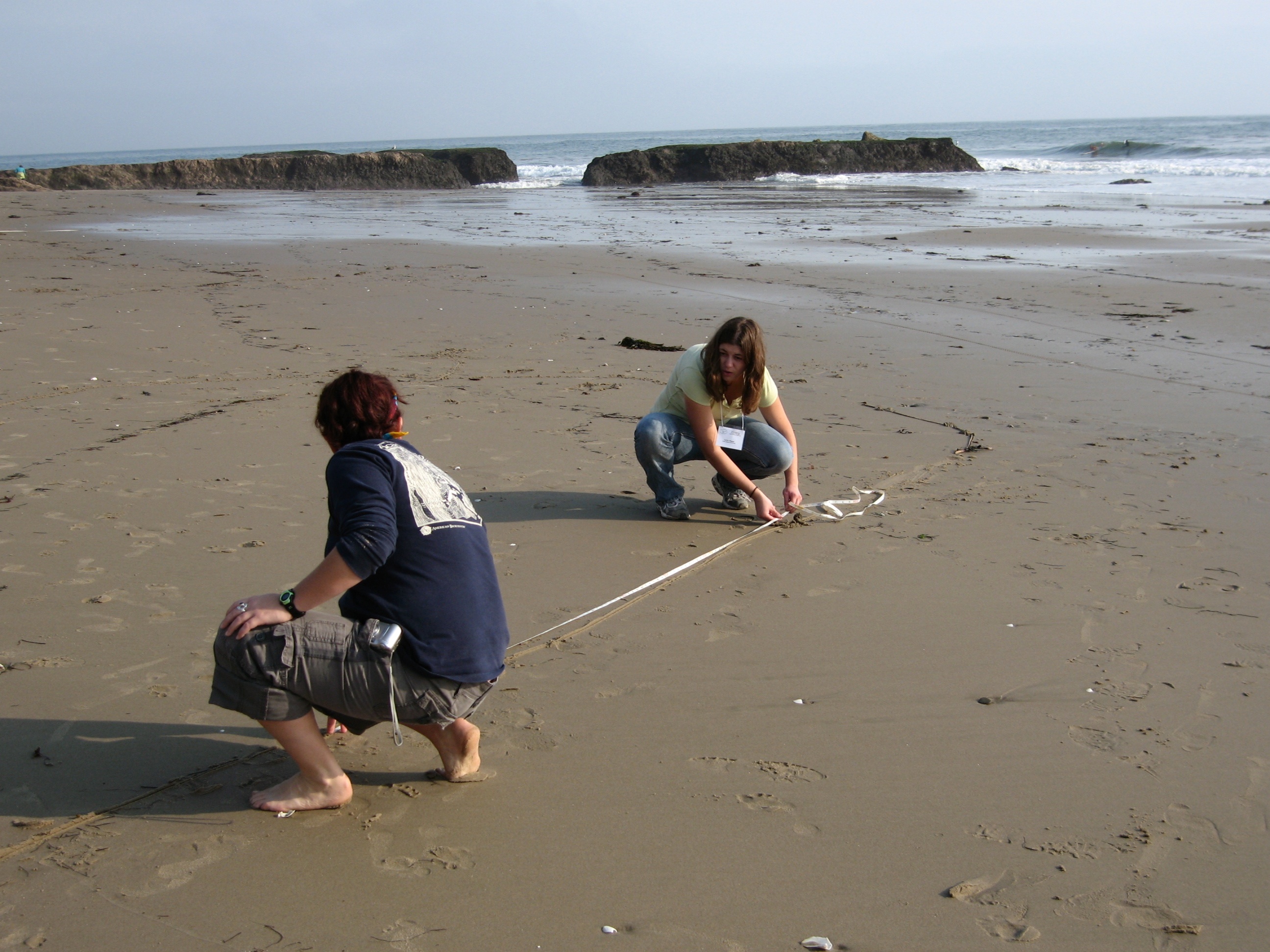
LiMPETS: (Long-term Monitoring Program & Experiential Training for Students) was designed for middle and high school students and other volunteer groups to monitor the rocky intertidal, sandy shore and offshore areas of the five west coast National Marine Sanctuaries, including our local Channel Islands National Marine Sanctuary. Workshops train teachers to lead groups out to various coastal sites to conduct monitoring. For more information about LiMPETS, please visit their webpage at http://limpets.noaa.gov
Research Experience for Teachers: Coming soon!
Public Outreach
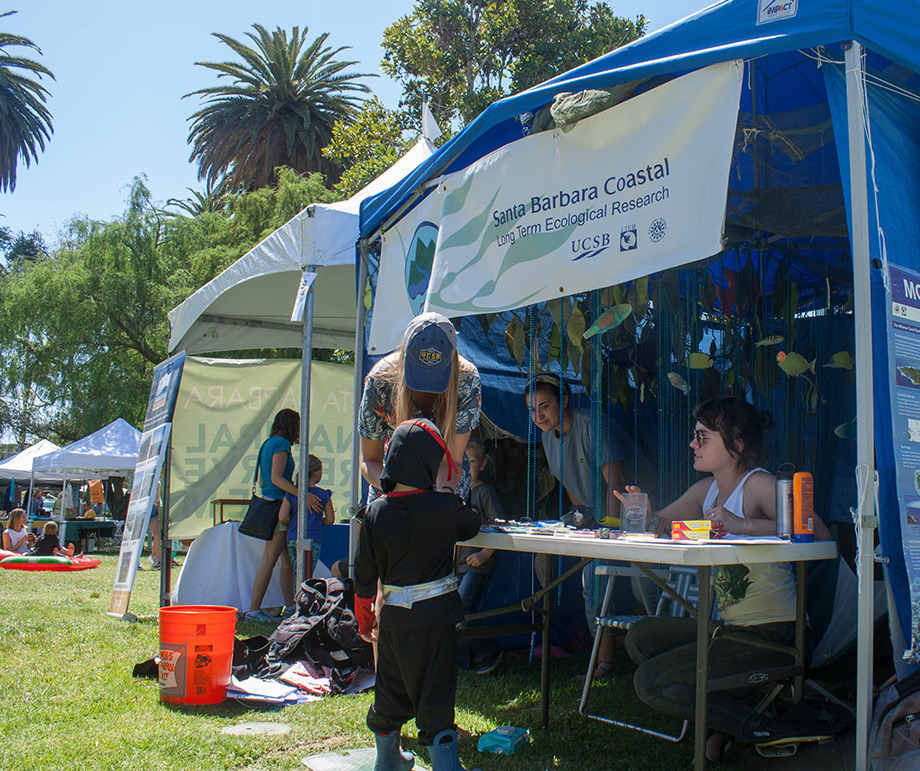
Outreach is an ever-expanding activity for SBC LTER investigators, students and staff. We are committed to sharing our research findings with organizations, agencies, managers, and the general public who are interested in applications to policy and decision-making on issues concerning natural, coastal management, and land use. SBC outreach activities are diverse and include numerous public presentations on LTER-related research to non-scientist groups, education and training of public stakeholder groups (e.g. Santa Barbara Channelkeeper, Surfrider, and the Friends of the Santa Clara River), leading natural history tours, and contributions on LTER research to news, magazines and film products for the public. SBC investigators participate in several public working groups to provide education, advice, and scientific perspectives to decision makers and stakeholders addressing policies for coastal management, land use, and marine reserves. Additional information on these activities and products can be found in our annual reports.
Post-Graduate, Graduate, and Undergraduate Education
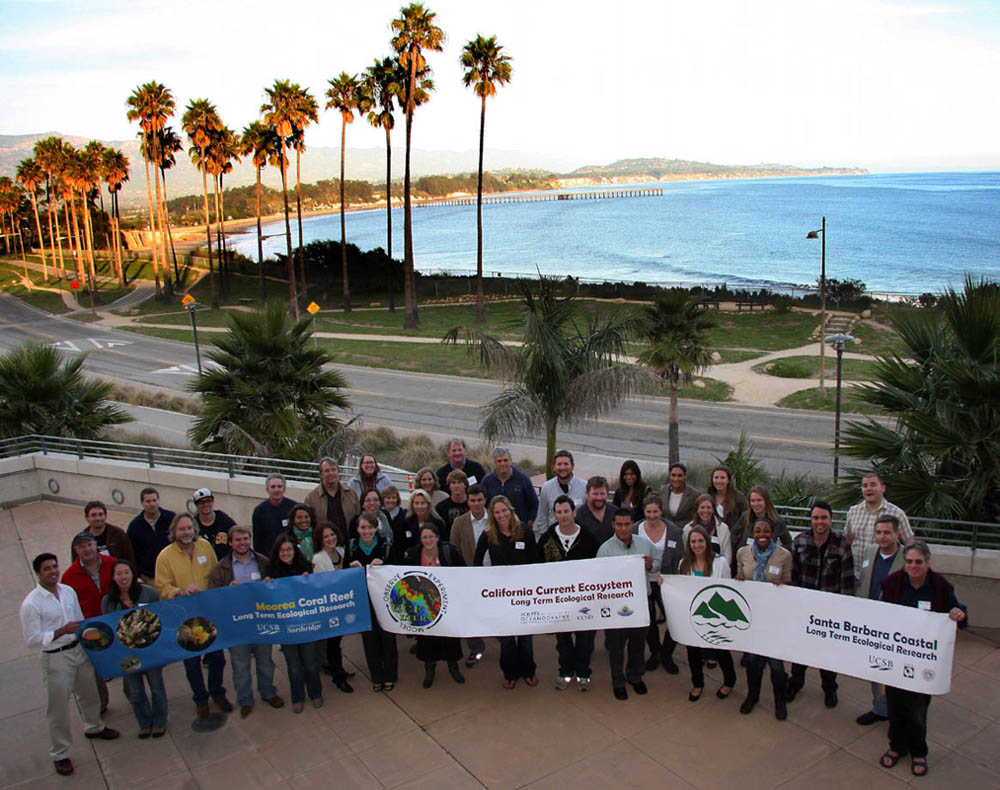
SBC LTER participates in a graduate student training program with other programs on the UCSB campus including the UC Coastal Toxicology Program funded by the University of California, and the Partnership for Interdisciplinary Studies of Coastal Oceans (PISCO) funded by the David and Lucille Packard Foundation and the Gordon and Betty Moore Foundation. With the SBC LTER, these programs emphasize interdisciplinary research to examine how coastal ecosystems change in response to natural and human-induced alterations in the environment. The collaborative program includes students and post docs working in terrestrial, aquatic, and marine environments with interests ranging from ecology, physiology, geology, hydrology, oceanography, and coastal policy. The main objectives of our program are to (1) provide cross-training on enviromental issues pertaining to coastal ecosystems, (2) provide students and post-docs with a common language for communicating scientific information on these issues, and (3)create a diverse scientific community of students and postdocs that fosters a respect and appreciation for other disciplines. Students in the program take graduate seminar courses that are designed specifically to foster interdisciplinary exchange and participate in a variety of site and network level activities. Dissertations, theses and talks given by SBC LTER students and post-docs are listed in SBC LTER's publications database.
SBC LTER also provides research training opportunities to more than 25 undergraduate students each year. Undergraduate students receive academic credits and/or monetary compensation for participating in SBC-LTER funded research under the mentorship of graduate students, post docs and senior investigators. SBC LTER is an active participant in NSF's Research Experience for Undergraduates program and in several mentorship programs sponsored by the University of California. Importantly, results from SBC LTER research make their way into the classroom as faculty routinely incorporate the findings from the project into their lectures.